Nutrient Concepts Catalogue

A structured overview of key nutritional categories relevant to male well-being. Each entry describes the role of specific compounds within the framework of physiological science, without individual guidance or outcome claims.

Nutritional Concept Categories

The following categories represent structured areas of nutritional science. They are organised to facilitate understanding of distinct compound families and their documented roles in human physiology.

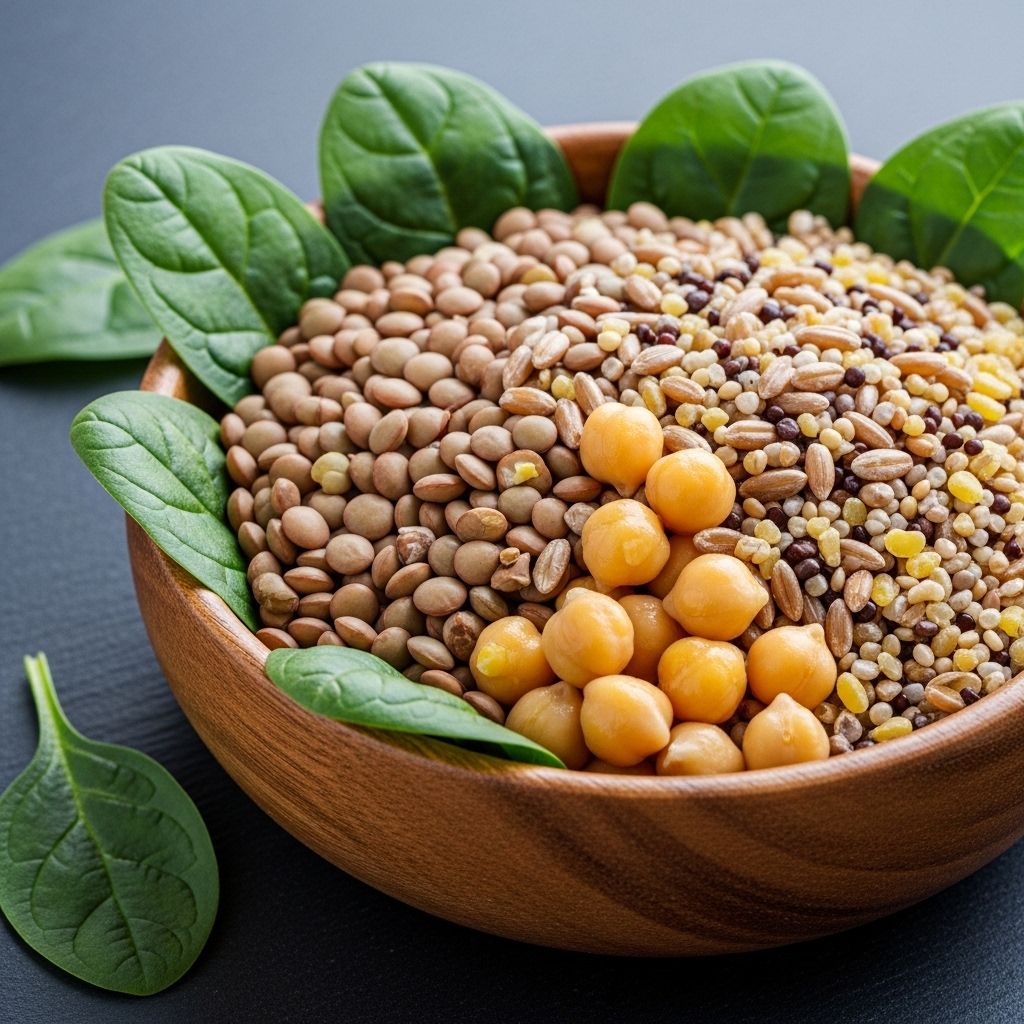
Close-up of a wooden bowl filled with brown lentils, chickpeas, and whole grain seeds alongside fresh green spinach leaves on a dark slate surface, representing B-vitamin rich plant food sources
Vitamin Complex

B-Vitamin Complex

The B-vitamin family comprises eight distinct water-soluble compounds: B1 (thiamine), B2 (riboflavin), B3 (niacin), B5 (pantothenic acid), B6 (pyridoxine), B7 (biotin), B9 (folate), and B12 (cobalamin). Each plays a specific role in cellular metabolism, contributing to the pathways through which the body converts macronutrients into usable energy. The neurological and haematological significance of this group has been extensively documented in nutritional science literature.

  • Energy Metabolism Support
  • Nervous System Health
  • Overall Vitality
Learn More About This Concept
Assortment of pumpkin seeds, sunflower seeds, cashew nuts, and dark leafy greens on a textured stone background with soft natural side lighting, illustrating foods high in magnesium and zinc
Essential Minerals

Magnesium & Zinc Support

Magnesium is a cofactor in more than 300 enzymatic reactions and is involved in processes ranging from protein synthesis to muscle and nerve function. Zinc is essential for immune system signalling, DNA replication, and the catalytic activity of hundreds of enzymes. Both minerals are present in a wide range of foods, though modern dietary patterns can sometimes result in intakes below reference levels, a fact acknowledged in UK nutritional surveys.

  • Muscle Function
  • Immune System Support
  • Cellular Health
Learn More About This Concept
Vibrant arrangement of mixed berries including blueberries, raspberries, and blackberries with pomegranate seeds on a dark background with natural light highlighting their rich deep colours and textures
Cellular Protection

Antioxidant Blends

The body continuously produces reactive oxygen species (ROS) as by-products of normal metabolism. Antioxidant compounds — including Vitamins C and E, beta-carotene, selenium, and a wide range of plant polyphenols — participate in neutralising these reactive molecules before they can damage cellular structures. The concept of oxidative stress, which occurs when the production of ROS exceeds the body's antioxidant capacity, is a well-established field within cellular biology research.

  • Cell Protection
  • Oxidative Stress Defence
  • Longevity Concepts
Learn More About This Concept
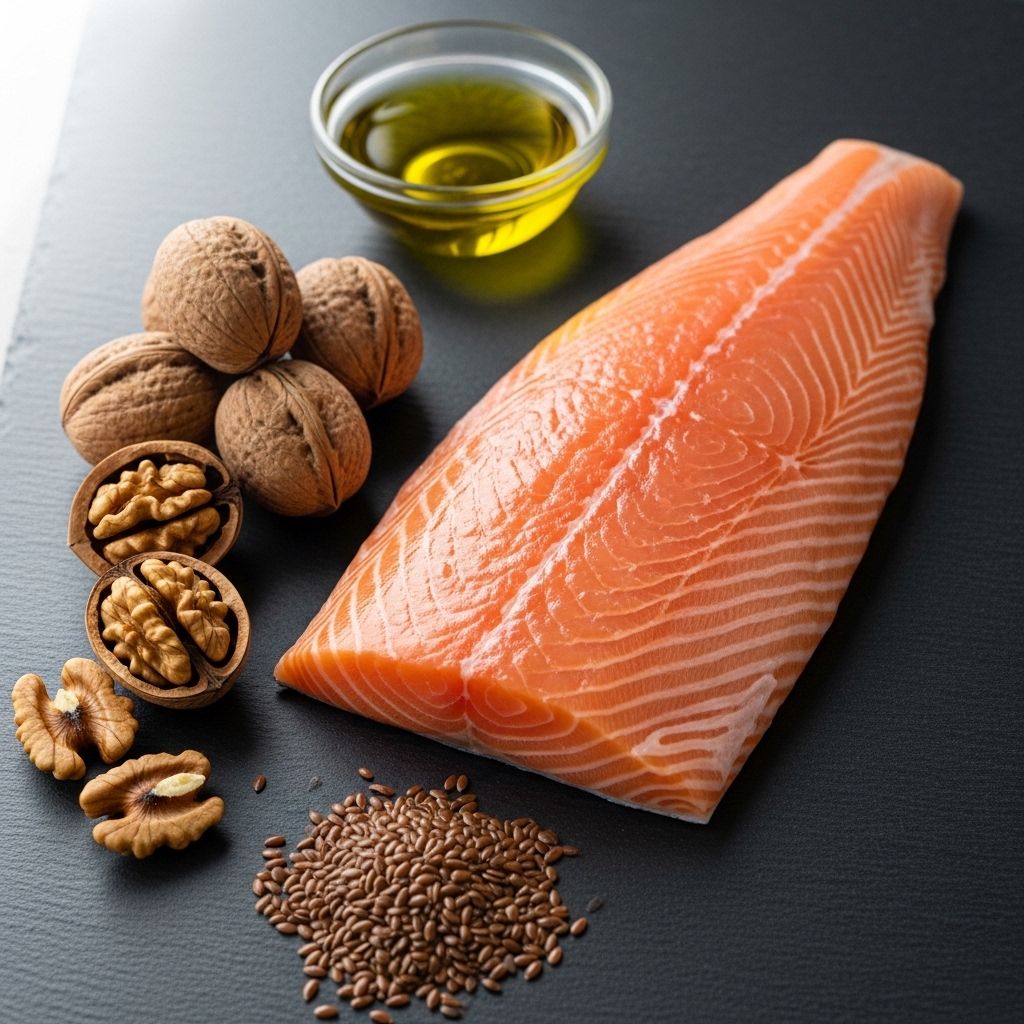
Fresh Atlantic salmon fillet with visible pink flesh on a slate board alongside whole walnuts, flaxseeds and a small glass bowl of olive oil in soft natural lighting, representing omega-3 fatty acid sources
Essential Fatty Acids

Omega-3 Fatty Acids

Omega-3 fatty acids are a family of polyunsaturated fats that are considered essential, as the human body cannot synthesise them endogenously. The three principal forms are ALA (alpha-linolenic acid), found in plant sources, and EPA and DHA, found primarily in marine foods. DHA is a structural component of the brain and retina. The relationship between omega-3 intake and various aspects of cardiovascular physiology has been among the most extensively researched topics in nutritional science over the past four decades.

  • Cardiovascular Health Concepts
  • Cognitive Function Research
  • General Well-being
Learn More About This Concept
Wide variety of prebiotic and probiotic foods including plain yogurt in a glass jar, sauerkraut, whole grain bread, artichoke and garlic cloves arranged on a light wooden cutting board
Digestive Science

Digestive Health Nutrients

The gastrointestinal system plays a foundational role in overall nutritional status, as it is the primary site of nutrient absorption. Dietary fibre — both soluble and insoluble — influences gut motility and the composition of the intestinal microbiome. Certain nutrients, including zinc and glutamine, are important for the maintenance of intestinal lining integrity. Prebiotic compounds, found in foods such as chicory root, garlic, and onions, selectively stimulate beneficial microbial populations within the gut ecosystem.

  • Digestive Comfort
  • Nutrient Absorption
  • Gut Balance
Learn More About This Concept
Closeup of a glass of milk, calcium-rich dark green vegetables such as kale and broccoli, and sesame seeds on a clean white marble surface in bright diffused natural light
Structural Nutrients

Bone & Joint Support

Skeletal tissue is metabolically active throughout life, undergoing continuous remodelling processes that require an ongoing supply of specific nutrients. Calcium and phosphorus are the primary minerals of bone mineral density, while Vitamin D is essential for regulating calcium absorption. Vitamin K2 is involved in directing calcium to skeletal tissue rather than soft tissues. Collagen, the protein matrix of bone, requires Vitamin C and several trace minerals for its synthesis. These interacting mechanisms are a significant topic within musculoskeletal nutritional science.

  • Bone Density Research
  • Joint Flexibility
  • Structural Integrity
Learn More About This Concept

Important: Scope and Limitations of This Catalogue

  • All catalogue entries are presented for educational and informational purposes only.
  • No content in this catalogue constitutes individual nutritional guidance or professional advice of any kind.
  • The information describes general nutritional concepts and does not represent specific products, supplements, or treatments.
  • Individual nutritional needs vary significantly; any personal decisions should involve qualified professionals.
  • This content does not make any claims regarding specific outcomes and should not be interpreted as such.

Understand the Science Behind Nutrition

Return to the main resource for a comprehensive overview of vitamins, minerals, absorption science, and historical context.